




Flexible Packaging: What It Is, What It Is Used For, and When to Choose It
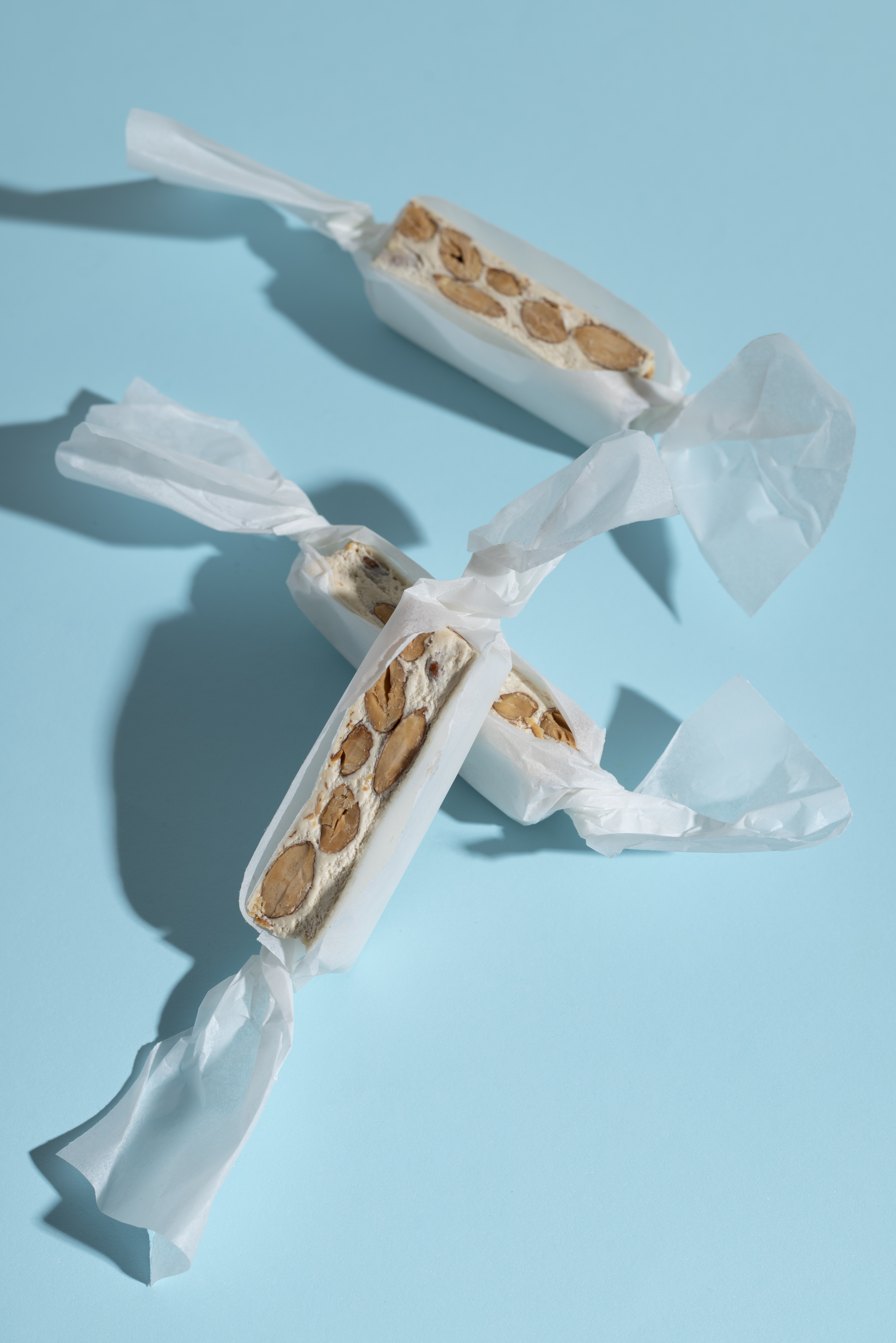
Flexible packaging is a packaging solution made from thin, lightweight, and adaptable materials — such as plastic films, multilayer laminates, paper-plastic laminates, or technical materials in reel form. It is used across numerous production sectors to package, protect, and showcase food, cosmetic, pharmaceutical, industrial, and technical products.
Its defining characteristic is the ability to adapt to the product and the packaging process. Unlike rigid packaging, flexible packaging makes it possible to achieve lightweight, functional, and customised packages, with control over format, gauge, printing, heat sealability, and the technical properties of the material.
For companies seeking production efficiency and bespoke solutions, it is a strategic choice across many applications.
What Is Flexible Packaging
The term flexible packaging refers to packaging made from materials that can fold, wrap, or adapt to the shape of the product. This category includes plastic films, reel-format films, pouches, sachets, single-dose formats, flow packs, laminated packaging, and lightweight packages.
Materials can be single-layer or multilayer. Multilayer structures, obtained through lamination or coextrusion, bring together different advantages in a single package: strength, barrier properties, transparency, printability, heat sealability, and protection.
The choice of structure depends on the product to be packaged, the required shelf life, the transport and storage conditions, and the production line being used.
What Flexible Packaging Is Used For
Flexible packaging serves multiple technical and commercial functions. Its main function is to protect the product from external factors such as moisture, oxygen, dust, light, contamination, and mechanical stress.
The choice of material can improve:
- Product preservation
- Pack integrity
- Heat sealability on the production line
- Protection during transport and storage
- Visual appeal of the packaging
- Brand communication through printing
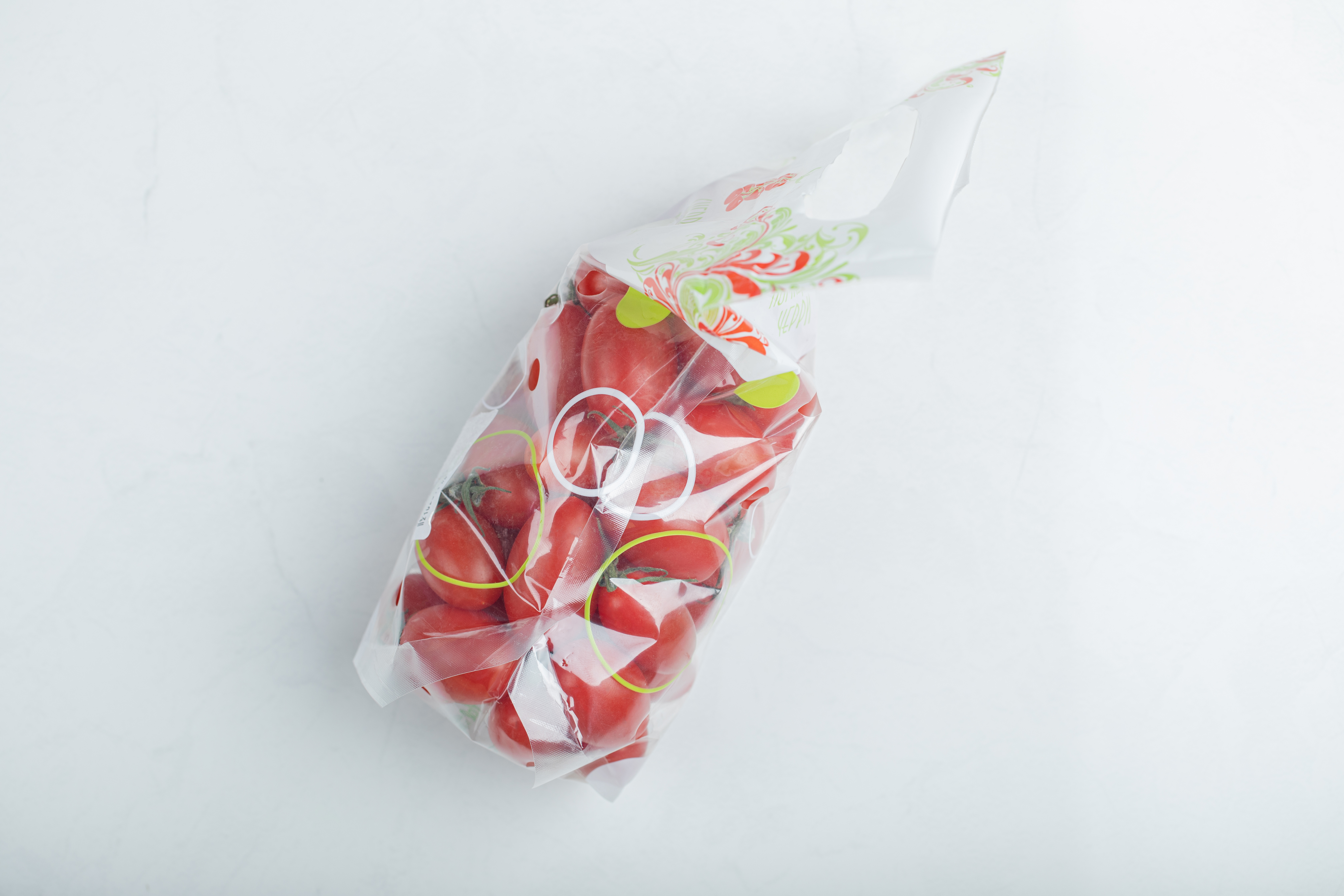
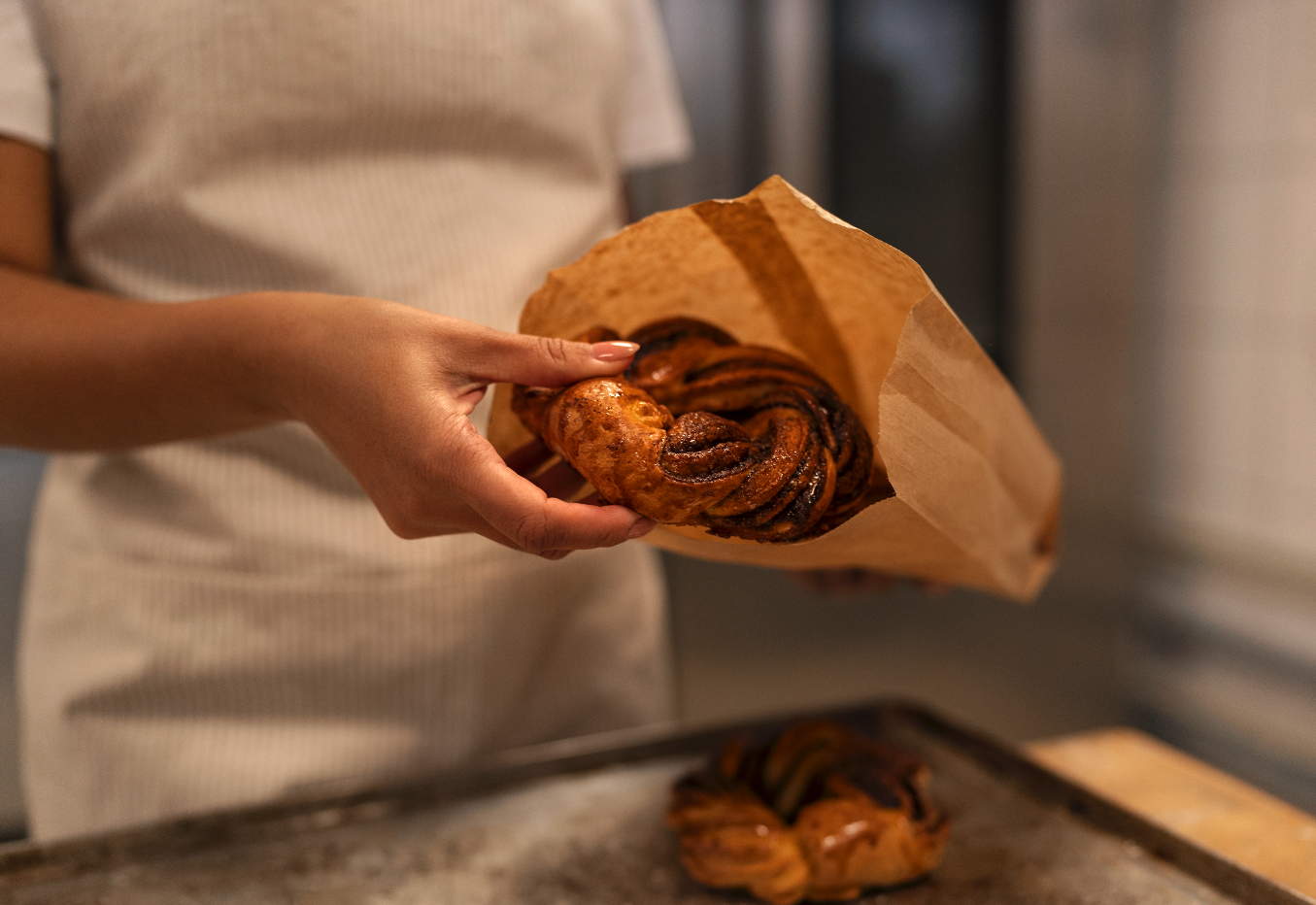
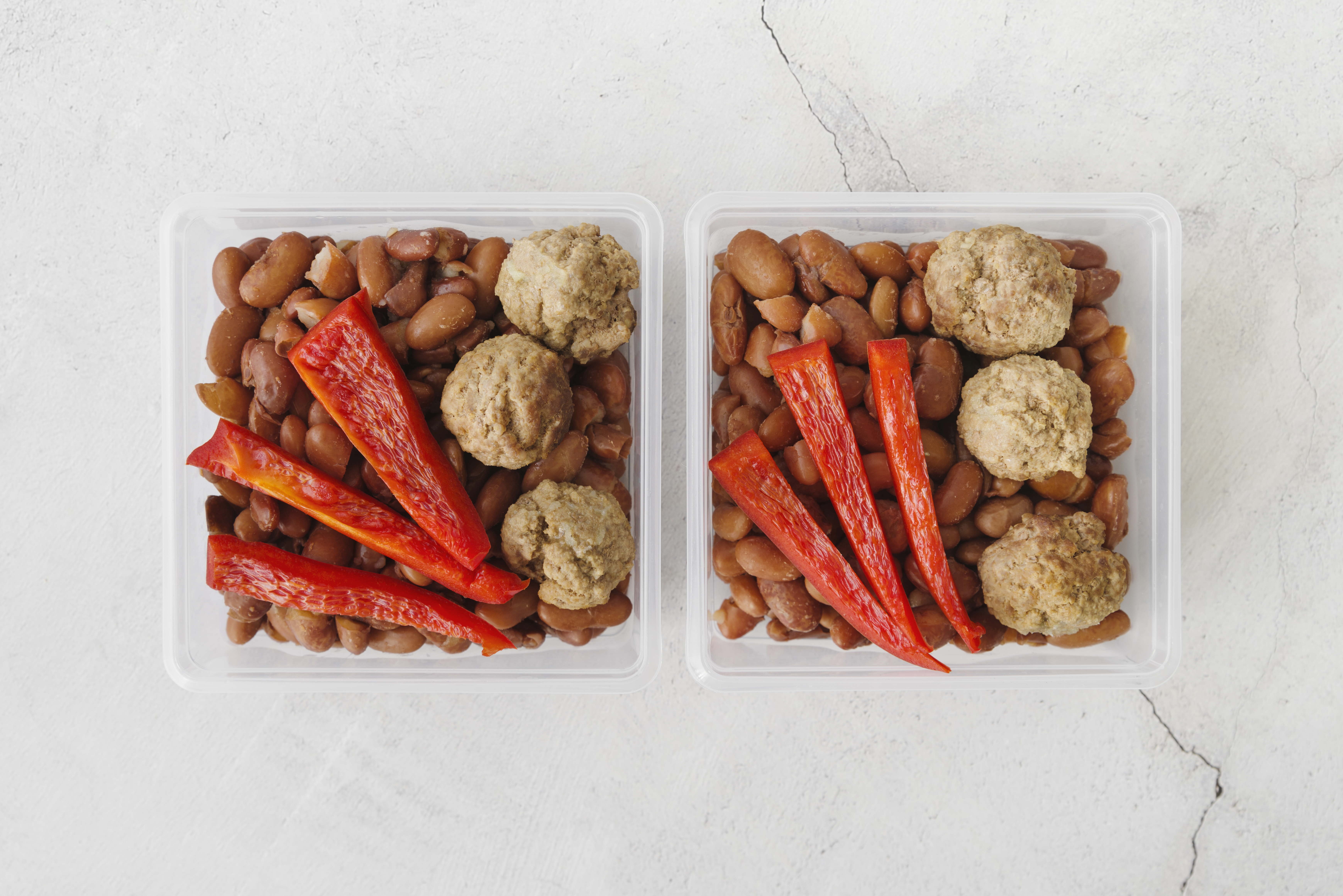
In the food industry, for example, it is used for pasta, bakery products, snacks, flours, cereals, fresh produce, fruit and vegetables, delicatessen, and ready meals. In the cosmetics industry, it is commonly used for sachets, samples, single-dose formats, hotel amenity products, and small formats. In the pharmaceutical and technical industries, it is used for protective packaging, sensitive products, and secondary packaging.
Main Materials Used
Flexible packaging can be made from different materials, selected according to the required performance.
Polyethylene is valued for its flexibility, durability, and good heat sealability. Polypropylene offers transparency, lightness, and good visual appeal. Polyester (PET) guarantees dimensional stability, strength, and print quality. Nylon is used when high barrier properties and mechanical strength are required.
These are complemented by COEX films, antifog films, primer-coated films, double-sided coated films, biodegradable materials, compostable materials, PLA, plastic laminates, and paper-plastic laminates. Each material has specific characteristics and can be combined with others to achieve a higher-performance structure.
The right choice always begins with an analysis of the application: product, format, packaging process, storage conditions, and aesthetic objectives.
When to Choose Flexible Packaging
Flexible packaging suits businesses that need lightweight, customisable packaging compatible with efficient production processes.
It is ideal for:
- Reel-format films for automatic or semi-automatic lines
- Customised packages for small or large volumes
- Printable materials to showcase the product
- Barrier structures for protection and preservation
- Flexible formats for single-dose, sachet, or lightweight packaging
- Technical laminates for more complex applications
It can be particularly useful for food businesses, pasta manufacturers, mills, bakery product producers, agricultural businesses, cosmetic laboratories, beauty contract manufacturers, packaging businesses, and industrial operations that need materials developed to order.
Flexible Packaging and the Production Process
High-quality materials must also perform correctly on the packaging line. For this reason, in addition to the properties of the film itself, it is important to assess production-related aspects such as slip properties, reel stability, cut precision, seal quality, and compatibility with the machine being used.
An unsuitable film can cause slowdowns, waste, sealing defects, or visual quality issues. A correctly designed material, on the other hand, improves production continuity, package quality, and the consistency of the final result.
Technical consultation is therefore essential for identifying the right balance between performance, cost, processability, and packaging quality.
Customisation and Printing
One of the main advantages of flexible packaging is the ability to customise the material according to the customer's requirements. Flexographic printing makes it possible to incorporate graphics, logos, product information, technical texts, and identification codes directly onto the film.
Customisation can also cover gauges, formats, reel widths, finishes, surface characteristics, and material composition. This makes it possible to develop packaging in keeping with the product, the production process, and the brand image.
For industries such as food and cosmetics, the visual quality of packaging has a direct impact on how the product is perceived. For technical and pharmaceutical applications, on the other hand, precision, stability, and protection become the priority.
Sustainability and Material Selection
Sustainability is an increasingly central issue in flexible packaging. Material selection can be oriented towards recyclable, compostable, or biodegradable solutions, or towards structures optimised to reduce waste and improve efficiency.
A responsible approach starts already at the design stage: choosing the right material, avoiding over-specification, assessing the product's lifecycle, and facilitating correct end-of-life management.
In many cases, sustainability depends not only on the material used, but also on how it is designed, processed, used, and disposed of.
How to Choose the Most Suitable Flexible Packaging
To choose the right flexible packaging, a series of technical questions must be asked:
- What product needs to be packaged?
- What storage conditions are required?
- Is a specific barrier needed?
- Does the film need to be printed?
- Is the line automatic or semi-automatic?
- Will production involve small batches or large volumes?
- Does the packaging need to serve an aesthetic function, a protective one, or both?
Answering these questions makes it possible to define the most suitable material, structure, gauge, format, and processing.
Develop Your Bespoke Flexible Packaging
Flexible packaging is an effective solution when it is designed around the product and the production process. Material, format, printing, and processing must work together to guarantee protection, efficiency, and final quality.
Cipolla Fratelli develops bespoke plastic films and laminated materials for various industries, supporting customers in identifying the most suitable solution.
A technical makes it possible to assess the most suitable material for your product, and develop customised flexible packaging tailored to your requirements.
You may also be interested in...